Gender Gaps in Political Participation

Gender Equality and Gender-Role Attitudes in Europe

Project investigates why gender gaps in political participation persist despite significant progress in gender equality. The project analyses Europe between 1999 and 2025, combining data on gender equality policies and gender-role attitudes.

FEATURES

About the project

Gender Gaps examines why gender gaps in political participation remain. The analysis focuses on two key factors: national levels of gender equality and attitudes toward the roles of women and men. Covering European countries from 1999 to 2025, GEA-POL shows how gender equality and gender-role attitudes interact to influence the gender gaps in political participation.
Political participation gaps

The project analyses differences in how women and men engage in politics — from voting and party involvement to petitions, protests, and civic action.

Gender equality policies

We examine how national policy frameworks influence gender equality and shape long-term political outcomes.

Gender-role attitudes

The study explores how societal beliefs about gender roles affect political behaviour and participation patterns

Comparative European perspective

Gender Gaps covers European countries between 1999 and 2025, enabling long-term cross-national comparison.

Open research infrastructure

The project develops and shares new tools, including the Gender Equality Policy Dataset and an EU gender equality index.

Knowledge dissemination

Findings are shared through academic publications, conferences, workshops, and public-facing materials.
Dashboard mockup
PROJECT FRAMEWORK

Understanding gender gaps in political participation

Gender Gaps investigates the relationship between political behaviour, public policies, and societal attitudes. The project brings together different dimensions of gender equality to explain how and why participation patterns differ across countries and over time.The main objective of Gender Gaps is to better understand why gender gaps in political participation persist despite increasing formal equality across Europe.

Key areas of analysis:
interaction between gender equality policies and political participation
impact of gender-role attitudes on civic and political engagement
cross-national comparison across European countries
long-term perspective (1999–2025) capturing change and backlash
RESEARCH TEAM

Who is behind the project

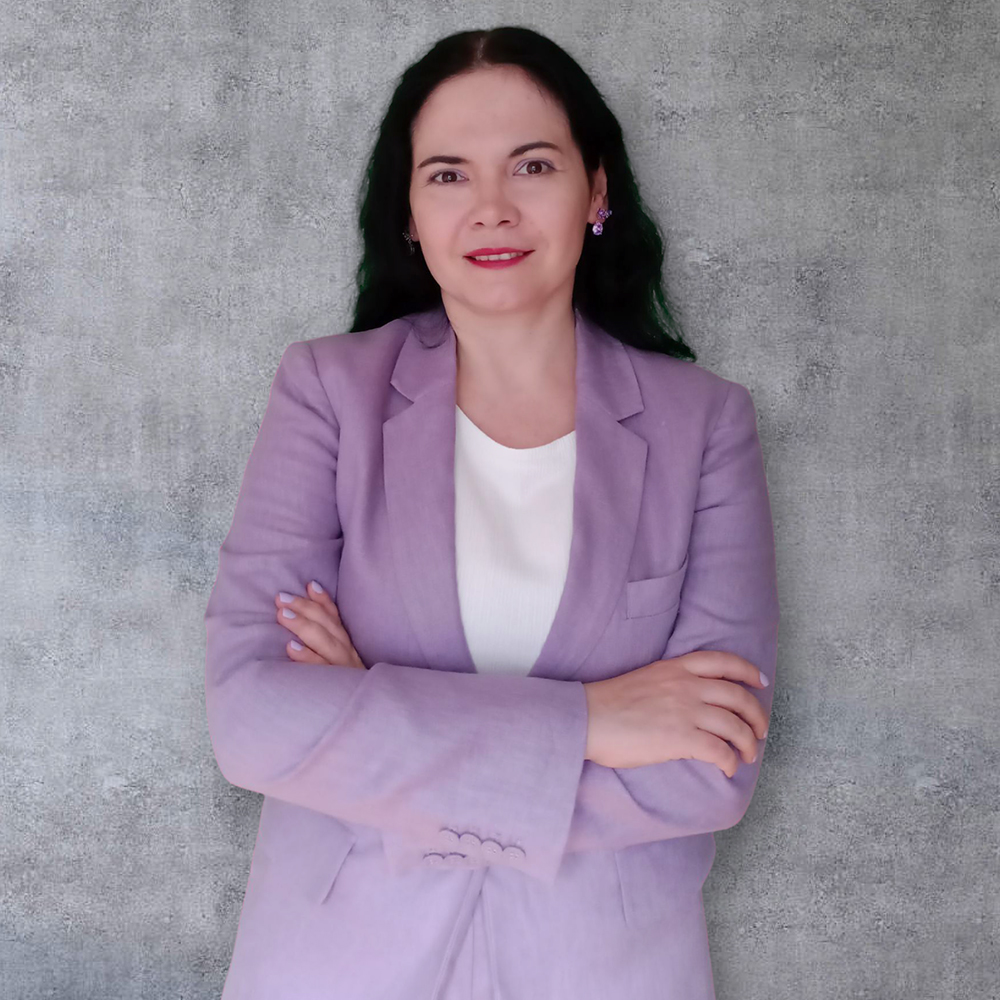
The research team consists of scholars from the University of Warsaw working on gender, politics, and comparative research.
Read more about team
Dr. Olga Lavrinenko
Principal Investigator
Faculty of Political Science and International Studies, University of Warsaw
Isti Marta Sukma
PhD Candidate
Faculty of Political Science and International Studies, University of Warsaw
Dr. Kateryna Gryniuk
Postdoctoral Researcher
Former PM for Linear, Lambda School, and On Deck.
NEWS

Research Updates & Events

This section features the latest updates from Gender Gaps, including research progress, publications, events, and accessible insights on gender equality and political participation in Europe.

Gender Attitudes and Political Participation

How gender attitudes shape political engagement in Europe.
Dr. Kateryna Gryniuk
May 4, 2026
4 minutes

Gender Equality and Its Role in Political Engagement

Investigating the role of gender equality in enhancing political participation.
Isti Marta Sukma
May 4, 2026
5 minutes

Exploring Gender Gaps in Political Participation

A detailed analysis of gender gaps in political engagement across Europe.
Dr. Kateryna Gryniuk
May 4, 2026
6 minutes
SUPPORT

FAQs

Here you can find answers to the most frequently asked questions about the Gender Gaps project, its objectives, data, and research outputs. If you cannot find the information you are looking for, please feel free to contact the research team.
What is Gender Gaps?
Gender Gaps is a research project that examines differences in political participation between women and men across Europe, focusing on the role of gender equality and gender-role attitudes.
What makes this project different?
The project introduces a multidimensional approach to gender-role attitudes and combines it with a comprehensive dataset on gender equality policies, offering a more nuanced understanding of participation gaps.
Which countries are included?
The project covers multiple European countries, enabling cross-national comparison and analysis of long-term trends between 1999 and 2025.
What kind of data does the project use?
The project combines original datasets on gender equality policies with survey data on gender-role attitudes, allowing for in-depth analysis of how institutions and beliefs interact.